
The Hidden Winter Habits of Mosquitoes Around Charleston
When colder weather settles into Charleston, Mount Pleasant, and Daniel Island, it is easy to assume mosquitoes have finally disappeared. The evenings feel calmer, the buzzing stops, and most people assume that winter shuts down mosquito season completely. The truth is more complicated. Several mosquito species common in the Lowcountry stay active in quieter ways that shape what the spring mosquito season will look like once warmer temperatures return.
Homeowners often notice that the first warm spell of the year brings mosquitoes out fast, and understanding their winter behavior explains why this happens. Winter is not an off switch. It is a holding pattern.
The Mosquito Species That Matter Here
Local mosquito activity in Charleston, Mount Pleasant, and Daniel Island centers around three well-established groups:
- Aedes albopictus, the Asian tiger mosquito
- Culex mosquitoes, including Culex quinquefasciatus
- Anopheles quadrimaculatus, a widespread eastern species
These mosquitoes thrive in warm, humid environments and are deeply rooted in the southeastern United States. Each uses a different strategy to make it through the winter, which is why the spring mosquito season can ramp up so quickly after just a few warm days.
Aedes albopictus and Its Winter Egg Strategy
Aedes albopictus is the bold daytime biter that thrives around homes. It lays eggs in small containers such as buckets, toys, plant saucers, gutters, and anything else that can catch and hold a small amount of water. The females place their eggs just above the waterline, where they dry out and wait for rain to fill the container again.
Public health research shows that these eggs can survive long stretches of drying and cold weather, including typical Charleston winters. In cooler regions of its range, this species also produces diapause eggs that pause development until spring returns. These eggs are built to survive the winter and hatch in large numbers once warmth and rainfall arrive.
This is why homeowners so often experience a sudden wave of mosquitoes early in the season. Those eggs have been sitting quietly in containers all winter, waiting for the right conditions to hatch.
Culex Mosquitoes and Winter Standing Water
Culex mosquitoes, including Culex quinquefasciatus, rely on standing water rather than tiny containers. They create floating egg rafts on the surface of still or stagnant water. Around Charleston, Mount Pleasant, and Daniel Island, these water sources often include ditches, storm drains, ponds, low spots in yards, and unmaintained water features.
In mild southern winters, Culex mosquitoes may remain active during warm periods. Larvae can persist in protected water that does not freeze or dry out. Because Charleston winters often include warm stretches, these mosquitoes can maintain small populations through the season. When spring temperatures settle in, they grow rapidly.
This explains why areas with poor drainage or standing water often see earlier mosquito activity. Winter conditions determine how many Culex larvae survive long enough to take advantage of that first steady warm spell.
Anopheles quadrimaculatus and Overwintering Adults
Anopheles quadrimaculatus is an important species historically associated with malaria transmission in the eastern United States. It is still widespread today, especially in environments with marshes or permanent water mixed with vegetation.
Unlike Aedes mosquitoes that rely on eggs, Anopheles quadrimaculatus often overwinters as adult females. Research shows that these fertilized females spend the winter in protected places such as barns, tree holes, crawlspaces, and natural shelters that stay stable and sheltered during cold spells. In milder climates, adults may become active during warm winter days before retreating again when temperatures drop.
This is why people sometimes see a mosquito in the middle of winter during a warm afternoon in Charleston or Daniel Island. The species never completely left, it simply paused its activity until conditions allowed movement again.
What Winter Really Means For Mosquitoes In The Lowcountry
Put all these strategies together and the Lowcountry’s winter mosquito picture becomes clearer:
Aedes albopictus survives the season through hardy eggs scattered across residential containers
Culex mosquitoes persist wherever standing water remains available
Anopheles quadrimaculatus relies on sheltered overwintering sites and occasional winter warm spells
Even when winter feels quiet, the foundation for the next mosquito season is already being built. That early burst of activity so many Charleston and Mount Pleasant homeowners notice each spring comes directly from these winter survival tactics.
Winter Habits That Make a Difference in Spring
Because mosquitoes are already preparing for spring in their own ways, winter becomes a good time for homeowners to prepare their yards too. Public health agencies emphasize that removing or managing standing water is one of the most effective long-term approaches to mosquito reduction.
Useful winter steps include:
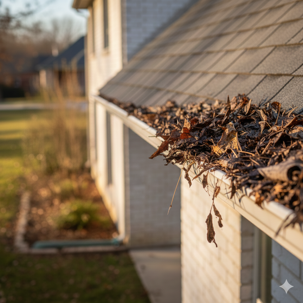
- Clearing gutters so water does not collect
- Emptying or storing outdoor containers that can capture rain
- Walking the property after storms to check for low spots that hold water
- Cleaning up yard debris that creates damp, shaded pockets
- Checking areas under decks or around crawlspaces for items holding moisture
These simple steps support the same science behind professional mosquito management. By reducing winter breeding opportunities, households in Charleston, Mount Pleasant, and Daniel Island see fewer mosquitoes in the early season and a slower surge once spring warmth sets in.
Why Winter Knowledge Shapes Spring Outcomes
Winter mosquitoes may not be visible, but they are far from gone. Eggs sit on container walls waiting for rain, larvae linger in sheltered pockets of water, and adult females rest in hidden, protected spots.
Homeowners who understand how these species make it through the winter are better prepared when spring arrives. Fewer overwintering sites mean fewer mosquitoes emerging when Charleston temperatures rise again. Knowing how local species operate during winter helps people take control of their yards and make the most out of their spring mosquito spray treatments.
Are your 2026 mosquito treatments scheduled? Contact us today and ask about our pre-season discounts!