
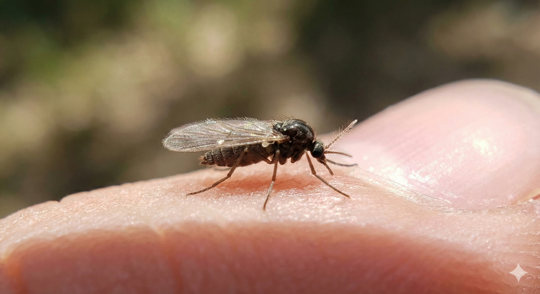
Gnats in the Winter? Why Savannah’s Famous Nuisance Doesn’t Slow Down
Winter in Savannah is unpredictable. One day the temperature dips into the 40s, and the next it feels like spring again. Homeowners in Richmond Hill and Pooler know this weather pattern well. What surprises most people, though, is how active biting gnats remain during these cooler months. Even when mosquito activity slows down, gnats continue to show up in swarms around porches, backyards, walking paths, and marsh-adjacent neighborhoods.
These insects don’t wait for spring to return. They thrive in the Lowcountry’s winter landscape, especially in the humid pockets of coastal Georgia that hold moisture long after the air turns chilly. That’s why many residents notice gnats hovering around their faces on a mild January afternoon just as they would in early summer.
Why Gnats Stay Active When Mosquitoes Ease Up
Mosquitoes in the Savannah area rely heavily on warm temperatures for consistent activity. When cold fronts sweep in, mosquito movement slows and often pauses. Gnats, however, follow a different set of rules.
Biting midges stay active across a wider range of temperatures and can continue flying and feeding as long as humidity remains high. Savannah’s coastal environment provides plenty of damp areas that rarely dry out, especially around marshes, shaded backyards, and low-lying pockets in Pooler and Richmond Hill. Even brief warm-ups can wake up new waves of gnats, which is why they remain a year-round nuisance.
Winter simply doesn’t affect midges the way people expect. For them, it is just another season with plenty of opportunities to stay active.
Where Winter Gnats Thrive Around the Lowcountry
The places gnats gather in warm weather are the same areas they thrive in during winter. This includes:
- Shaded areas near marsh grass
- Dense backyard vegetation
- Entryways and porches that collect morning humidity
- Low spots in Richmond Hill and Pooler where water sits after rainfall
- Landscaped beds where organic matter stays damp
These habitats rarely dry out completely, even when temperatures drop. As soon as the weather warms for a day or two, gnats take advantage of the moisture and become active again.
Why Midges Are Challenging to Control Even in Cooler Weather
Biting midges are difficult to manage in winter because they tolerate a much wider temperature range than mosquitoes. As long as the air stays humid and doesn’t drop into a truly prolonged freeze, they continue emerging from damp soil, leaf litter, and shaded areas. Their small size allows them to hide in places that never fully dry out, especially across Savannah’s marsh-heavy landscapes. They also reproduce quickly, which means that even a short warm spell can trigger a new burst of activity in Richmond Hill and Pooler. Winter control isn’t about eliminating them entirely. It’s about keeping their numbers manageable when conditions suddenly shift.
Options for Gnat Control in Winter
Since midges stay active throughout much of the winter, choosing the right control method depends on how much outdoor comfort a homeowner wants. Backpack and lawn treatments designed specifically for gnats are offered as an add-on service and typically provide a 40 to 70 percent reduction. This level of control works well for many properties and makes a noticeable difference during cooler months.
For a tailored approach, our comprehensive mosquito and gnat treatment option adjusts the frequency of service based on real pressure. When warm spells or humidity spikes trigger more activity, the schedule increases. When conditions settle, service tapers off. This flexible model keeps your yard responsive to the changing coastal weather patterns that make winter insect behavior so unpredictable.
For homeowners who prefer coverage that stays consistent regardless of temperature swings, automated misting systems provide the closest thing to continuous protection. Because they mist at set intervals, they help prevent midges from rebuilding between service visits and can achieve results that approach full coverage. These systems also include gnat control automatically, unlike standard mosquito treatments.
Why Winter Service Still Matters in Savannah, Richmond Hill, and Pooler
Gnats don’t follow the seasonal patterns most people expect. They don’t disappear when temperatures drop. They simply shift their behavior and take advantage of the Lowcountry’s pockets of moisture and warmth. Keeping up with winter service prevents those sudden surges from taking hold and makes outdoor spaces more comfortable when the weather briefly turns mild.
With steady treatments or a misting system in place, homeowners across Savannah, Richmond Hill, and Pooler can enjoy their outdoor areas even during winter’s unpredictable temperature swings. And when spring arrives, the yard isn’t already behind on control.
Frequently Asked Questions
What temperatures slow down gnats in Savannah?
Gnats stay active at much cooler temperatures than mosquitoes. Short cold spells may reduce activity, but they rarely stop it. As long as humidity remains high and the temperature rebounds for even a day, gnats become active again across Savannah, Richmond Hill, and Pooler.
Do standard mosquito treatments cover gnats?
Standard mosquito treatments do not automatically target gnats. Gnat control is offered as an add-on backpack and lawn service and provides a noticeable reduction in activity. Homeowners who want near constant protection during winter often choose automated misting systems because they include gnat control by default.
Why do gnats seem worse near marshy areas?
Midges thrive in damp, shaded environments with organic material. Marsh-adjacent neighborhoods in Savannah and Richmond Hill provide ideal conditions that stay moist even in winter, which is why gnats show up more consistently in those areas.
Can gnats bite in cold weather?
Yes. Biting midges remain active whenever temperatures hover above true winter lows, especially if the air is humid. Even a mild afternoon can bring out swarms in Pooler and surrounding areas.
Is winter mosquito and gnat treatment really necessary?
Winter service helps control the insects that never fully disappear. Gnats stay active in cooler months, and mosquitoes can respond to warm spells. Steady treatment prevents these surges from building into larger problems later in the season.
Does a misting system work year round?
Yes. Automated misting systems function throughout winter and provide consistent gnat and mosquito control. Because they mist at set intervals, they maintain coverage regardless of temperature shifts. This is especially helpful in Savannah’s fluctuating climate.
Are your 2026 mosquito and gnat treatments scheduled? Contact us today for a free quote! Don't forget to ask about our holiday offers!