
How Standing Water in Urban Landscapes Drives Mosquito Populations in Tampa
If you live in Tampa, mosquitoes probably feel like part of the environment. Warm weather, humidity, and afternoon storms make it seem inevitable.
But here’s the part most people miss:
In Tampa, the biggest mosquito problems often don’t come from swamps or wetlands. They come from your neighborhood.
Don’t wait for mosquitoes to be out of control. Get a quote now!
Mosquitoes in urban environments behave differently than many homeowners expect. Instead of relying on large bodies of water, some of the most aggressive species thrive in small, hidden water sources right around your home.
The Science Behind Urban Mosquitoes in Tampa
Two of the most common mosquito species in Florida are Aedes aegypti and Aedes albopictus. These are known as container-breeding mosquitoes, and they are highly adapted to living near humans.
Unlike floodwater mosquitoes, these species prefer to lay their eggs in small, artificial water sources. Research has shown they are especially effective at using containers that most people overlook.
We’re not talking about ponds or marshes. We’re talking about things like:
A clogged gutter holding rainwater
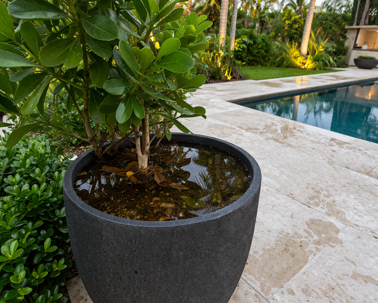
A planter that never fully drains
A pool cover with a low spot
Even something as small as a bottle cap
Because Tampa experiences frequent rain and high humidity, these water sources rarely dry out completely. That creates a constant cycle of breeding opportunities.
Why Mosquito Populations Grow So Quickly in Tampa
Temperature plays a major role in mosquito development, and Tampa provides near-ideal conditions for much of the year.
Mosquitoes are cold-blooded, so warmer temperatures accelerate their life cycle. Under optimal conditions, mosquitoes can develop from egg to adult in as little as 7 to 10 days.
That means a small amount of standing water can produce a new generation of mosquitoes in just over a week.
Now combine that with:
Frequent rainfall
Consistently warm temperatures
High humidity
You end up with an environment where mosquito populations can grow rapidly and continuously.
Why Your Yard Becomes a Mosquito Hotspot
Even if the original breeding source is small, your yard can quickly become a place where mosquitoes live and feed.
Mosquitoes need more than just water. They also need places to rest and protection from heat and dehydration.
Conditions That Make Tampa Yards Ideal for Mosquitoes
Dense landscaping that provides shade
High humidity that prevents dehydration
Irrigation systems that add consistent moisture
Limited airflow in fenced or enclosed spaces
Outdoor activity that provides a steady food source
Mosquitoes tend to rest in shaded vegetation during the day and become more active during early morning and evening hours. If your yard offers those conditions, it becomes a reliable habitat for them.
Why Mosquito Problems Persist Even After You “Fix” the Issue
A common frustration for homeowners is dealing with mosquitoes even after removing obvious standing water.
That happens for a few reasons.
First, many breeding sites are easy to miss. Small amounts of water in hidden areas can still produce mosquitoes.
Second, mosquitoes don’t stay in one place. Even if you eliminate breeding sources in your yard, mosquitoes from neighboring properties can quickly move in.
Third, Tampa’s climate supports continuous reproduction. There isn’t a true “off season,” so populations don’t naturally reset the way they might in colder regions.
Why DIY Mosquito Control Often Falls Short
Basic prevention steps are important, but they rarely solve the problem completely in a place like Tampa.
Eliminating visible water sources helps, but it doesn’t address:
Hidden breeding areas
Resting zones in dense landscaping
Incoming mosquitoes from nearby properties
Because mosquitoes reproduce quickly, even a small gap in control can allow populations to rebound.
This is why many homeowners feel like they’re constantly chasing the problem instead of actually solving it.
What Actually Helps Reduce Mosquito Activity
Effective mosquito control in urban environments requires a more targeted approach.
Instead of focusing only on breeding sites, it’s important to address the areas where mosquitoes spend most of their time.
Key Strategies That Make a Difference
Treating shaded areas where mosquitoes rest
Managing moisture in landscaping and irrigation
Identifying and addressing hidden water sources
Creating a protective barrier around your property
Because Tampa’s environment supports year-round mosquito activity, ongoing treatment is often the most reliable way to maintain control.
Why This Matters for Homeowners in Tampa
Mosquitoes in Tampa aren’t just a seasonal inconvenience. They’re a persistent issue driven by the way urban environments interact with climate.
The combination of:
Small, overlooked water sources
Warm temperatures
High humidity
Creates ideal conditions for mosquitoes to thrive right where people live.
Understanding that the problem often starts in your immediate surroundings changes how you approach it.
It’s not just about avoiding wetlands. It’s about managing what’s happening in and around your property.
If mosquitoes are making it difficult to enjoy your outdoor space, it may be time to take a more effective approach.
Contact us today to schedule your mosquito control service and start getting your yard back.