
Are Mosquitoes Breeding in Your Virginia Beach or Norfolk Backyard?
If you live in Virginia Beach or Norfolk, you already know mosquitoes aren’t just a minor annoyance. Between the humidity, frequent rain, tidal areas, and surrounding wetlands, this region is basically a luxury resort for them. Mosquito problems in Virginia Beach and Norfolk are often caused by conditions right on your own property. The real question isn’t whether mosquitoes are around. It’s whether your yard is helping them multiply.
A lot of homeowners assume mosquitoes are just flying in from nearby water or wooded areas. Sometimes that’s true. But just as often, the problem is coming from much closer than you’d like to admit. Here’s how to tell if your property might be part of the problem.
You’re Seeing Mosquitoes During the Day
Mosquitoes are usually most active at dusk, but if you’re getting bitten in the middle of the day while grabbing the mail or stepping outside briefly, that’s a red flag. Daytime activity often means mosquitoes are breeding nearby and don’t need to travel far. In both Virginia Beach and Norfolk, the warm, humid climate speeds up their life cycle, so populations build quickly.
You Notice Standing Water That Sticks Around
Mosquitoes don’t need much water to breed. A small puddle can be enough. Common problem spots include clogged gutters, plant trays, tarps, kids’ toys, birdbaths, buckets, and low areas in the yard that hold water after rain. In Norfolk especially, with its lower elevation and drainage challenges in some neighborhoods, water tends to sit longer than expected. If water hangs around for more than a few days, it becomes a breeding site.
You Have Dense, Shady Landscaping
Mosquitoes hide in cool, shaded areas during the day. Thick shrubs, overgrown hedges, and damp corners of the yard give them the perfect place to rest. This is especially common in older Norfolk neighborhoods with mature landscaping, as well as Virginia Beach properties near wooded areas or canals. If certain parts of your yard feel noticeably more buggy, that’s not your imagination.
Your Property Is Near Water or Flood-Prone Areas
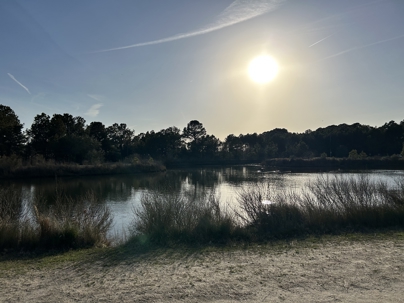
Both Virginia Beach and Norfolk have plenty of water nearby, whether it’s marshes, canals, the bay, or tidal creeks. Norfolk in particular deals with frequent flooding in some areas, which creates ideal conditions for mosquito breeding. Living near water doesn’t guarantee a problem, but it does increase the chances, and combined with standing water on your own property, it can amplify mosquito activity quickly.
Your Neighbors Are Complaining Too
Mosquitoes travel, but not far. If your neighbors are dealing with them, there’s likely a shared source somewhere nearby. That doesn’t automatically mean it’s your yard, but if you’re also seeing signs at home, it’s worth taking a closer look. In neighborhoods where homes are close together, one neglected area can affect everyone.
You’re Getting Bitten in the Same Spots
If bites keep happening in the same areas, like near the patio, driveway, or a specific corner of the yard, that’s a clue. Mosquitoes tend to stay close to where they hatch, so consistent problem zones usually point to nearby breeding or resting areas.
You Notice Spikes After Rain
Heavy rain is common across Hampton Roads, and mosquito populations can spike quickly afterward. If you see a sudden increase after storms, it’s a strong sign that water is collecting somewhere on your property and not draining properly. That’s often when hidden breeding spots reveal themselves.
What You Can Do About It
Start by walking your property and checking for anything that holds water. Dump it, drain it, or fix it. Keep gutters clean and trim back dense vegetation to reduce resting areas. That said, in coastal environments like Virginia Beach and flood-prone areas of Norfolk, it’s not always possible to eliminate every source. Ongoing mosquito control can make a real difference by targeting both adult mosquitoes and the areas they rely on. If you’re dealing with consistent mosquito pressure, our professional mosquito treatment can help break the cycle and keep your yard usable.
In Virginia Beach and Norfolk, staying ahead of the problem is the difference between enjoying your yard and avoiding it.
Contact us today to schedule your first treatment!
FAQ
Here are a few common questions homeowners in Virginia Beach and Norfolk ask:
How quickly do mosquitoes breed in Virginia Beach and Norfolk?
In warm, humid conditions, mosquitoes can go from egg to adult in about a week.
What’s the most overlooked breeding spot?
Clogged gutters and small containers like plant saucers are some of the most common and most ignored.
Are mosquitoes worse in Norfolk than Virginia Beach?
It depends on the property, but Norfolk’s flooding and drainage issues can create more standing water, which can increase mosquito activity.
Do I still need mosquito control if I remove standing water?
Removing water helps a lot, but it doesn’t always eliminate the problem, especially with nearby water sources and neighboring properties.
When is mosquito season in this area?
Typically from early spring through late fall, with peak activity during the hottest and most humid months.