
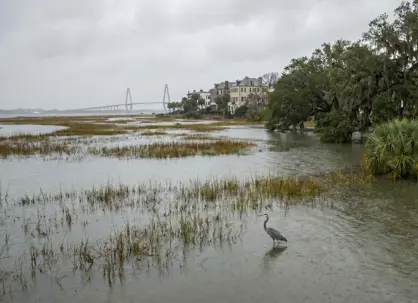
How Charleston’s Tides Influence Mosquito Activity in Late Winter
Mosquito activity in Charleston doesn’t follow the same seasonal patterns as inland areas. While winter temperatures may slow mosquitoes down, the coastal environment plays a major role in how early mosquito populations begin to rebound. In particular, tidal movement and salt marshes strongly influence mosquito activity in the Lowcountry.
Even in February, Charleston’s tides can quietly shape mosquito behavior long before peak season begins. This is one reason mosquito control in Charleston often looks different than it does in other parts of South Carolina.
Why Tides Matter for Mosquitoes in Coastal South Carolina
Charleston is surrounded by salt marshes, tidal creeks, and estuaries, which create ideal breeding conditions for certain mosquito species. Unlike mosquitoes that rely on standing water around homes, many coastal species depend on tidal flooding to reproduce.
When high tides flood marsh areas, they leave behind shallow pools of water as the tide recedes. These pools can become temporary breeding sites even during cooler months. Because tidal cycles continue year-round, mosquito activity in coastal Charleston often rises and falls with the tides rather than strictly with temperature.
This is one reason Charleston mosquito problems can feel unpredictable to homeowners.
Don't wait until spring to take action against mosquitoes. Contact us online or call (888) 519-1592 today to learn how year-round strategies can protect your property.
Salt Marsh Mosquitoes vs Backyard Mosquitoes
Not all mosquitoes in Charleston behave the same way, and understanding the difference matters for effective mosquito control services.
Saltmarsh mosquitoes commonly found along the coast lay their eggs on moist soil in marsh areas. These eggs can remain dormant for extended periods and hatch when tides or heavy rain flood the area.
Backyard mosquitoes, including container-breeding species, rely more on standing water near homes such as clogged gutters, plant saucers, or low-lying areas in the yard. In February, these mosquitoes are typically less active but can still emerge during warmer stretches.
Because saltmarsh mosquitoes do not depend on residential water sources, they can appear even when a yard is well maintained.
How February Conditions Affect Mosquito Activity in Charleston and Mt. Pleasant
Winter in Charleston often brings mild daytime temperatures, periodic rainfall, and strong tidal fluctuations. While colder nights slow mosquito development, they don’t eliminate it entirely.
When tidal flooding coincides with warmer daytime temperatures, mosquito eggs can hatch and larvae can develop quietly. This early activity often goes unnoticed but helps establish mosquito populations that become more visible as spring approaches.
This is why Charleston mosquito season can feel like it starts suddenly, even though conditions were building weeks earlier.
Why Coastal Mosquito Activity Can Feel Sudden
Many Charleston residents experience what feels like an abrupt increase in mosquito activity later in the season. In reality, much of that activity originates in surrounding marsh areas rather than individual yards.
Because these mosquitoes are influenced by tides instead of household water sources, controlling them requires a broader approach than basic DIY prevention alone. This is where professional mosquito control in Mt. Pleasant becomes especially important.
How Professional Mosquito Treatments Create a Protective Barrier Around the Home
In coastal areas like Charleston, many mosquitoes originate in nearby marshes and tidal zones. When those mosquitoes leave the marsh and move toward residential neighborhoods, they don’t immediately seek out people. Instead, they look for cool, shaded places to rest.
Once mosquitoes enter a backyard, they commonly land on shrubs, ornamental plants, dense hedges, ground cover, and shaded foliage along fences, foundations, and decks. These areas provide shelter from sun, wind, and temperature changes while mosquitoes wait to feed.
This resting behavior is what makes mosquito control service effective.
Professional treatments focus on applying targeted products to the foliage and shaded areas where mosquitoes naturally rest after leaving marsh environments. When mosquitoes land on treated vegetation, they come into contact with the treatment, which reduces their ability to survive and remain active on the property.
Rather than trying to eliminate mosquitoes in marsh areas, barrier treatments work by reducing mosquito activity where people actually spend time. This creates a protective buffer around the home that interrupts mosquito movement from surrounding coastal areas into patios, porches, and outdoor living spaces.
Because Charleston mosquitoes often travel from marshy areas into neighborhoods, simply removing standing water in a yard is not always enough. By treating the areas mosquitoes rely on for rest, mosquito control in Charleston, SC helps stop mosquitoes at the point where they transition from their breeding environment into the backyard.
What Charleston Homeowners Should Know Now
While homeowners can’t control tides or marsh flooding, understanding their role helps set realistic expectations.
In late winter, Charleston homeowners can reduce standing water around the home to limit backyard mosquito breeding, recognize that marsh-driven mosquitoes may appear regardless of yard conditions, and prepare early rather than waiting until mosquito activity becomes overwhelming.
Because coastal mosquitoes behave differently, effective mosquito control in Charleston often combines basic property maintenance with region-specific treatment strategies designed for the Lowcountry environment.
Frequently Asked Questions About Mosquitoes
Why do mosquitoes seem to come from nowhere in Charleston?
In coastal areas like Charleston, many mosquitoes originate in nearby salt marshes and tidal zones rather than individual yards. When tides or heavy rain flood marsh areas, mosquito eggs hatch and adults later travel into residential neighborhoods. This can make mosquito activity feel sudden, even if conditions have been building for weeks.
Can mosquitoes affect my yard even if there’s no standing water?
Yes. Saltmarsh mosquitoes do not rely on standing water in residential yards to breed. Once they leave marsh areas, they enter neighborhoods and rest on shaded foliage while waiting to feed. This means mosquitoes can be present even in well-maintained yards with no obvious water sources.
Are mosquitoes active in Charleston and Mt. Pleasant during winter?
Mosquito activity slows during winter, but it does not completely stop in Charleston. Mild daytime temperatures combined with tidal flooding can allow early mosquito activity to begin as early as February, especially for coastal species adapted to cooler conditions.
Why are shrubs and plants treated during professional mosquito services?
After mosquitoes leave marsh areas and enter backyards, they rest on foliage such as shrubs, hedges, and shaded plants. Mosquito control services target these resting areas because that’s where mosquitoes naturally land and shelter. Treating foliage helps reduce mosquito survival once they enter the yard.
How do professional mosquito treatments create a barrier around the home?
Professional mosquito control in Charleston and Mt. Pleasant works by applying treatments to the areas mosquitoes use for rest and travel within the yard. When mosquitoes land on treated foliage after entering from marshy areas, they come into contact with the treatment, which reduces their ability to remain active around the home. This creates a protective barrier focused on outdoor living spaces.
Do barrier treatments stop mosquitoes from breeding in marshes?
No. Barrier treatments are not designed to eliminate mosquitoes in marsh or tidal environments. Instead, they reduce mosquito activity where people spend time by targeting the point where mosquitoes transition from the surrounding environment into residential spaces.
When should Charleston homeowners start mosquito control treatments?
Late winter or early spring is an ideal time to begin mosquito control in Charleston, SC. Starting early helps reduce resting mosquito populations before peak season begins, making treatments more effective as temperatures and mosquito activity increase.
Is mosquito control different in Charleston than inland areas?
Yes. Because Charleston is surrounded by tidal marshes, mosquito behavior is strongly influenced by tides rather than just rainfall or household water sources. Effective mosquito control in coastal areas often requires strategies specifically designed for marsh-driven mosquito populations.
Don't wait until you're dodging mosquitoes at your next backyard gathering. Reach out through our online contact form or call (888) 519-1592 to discuss protection strategies for your home.