
Why Bug Spray Isn’t Enough for Charleston Mosquitoes
Bug spray has its place.
If you are hiking, fishing, camping, traveling, or heading somewhere without mosquito control, a good repellent can help protect you from bites. EPA-registered repellents, including products with DEET, picaridin, IR3535, oil of lemon eucalyptus, PMD, and 2-undecanone, are considered safe and effective when used as directed.
So no, DEET is not a villain.
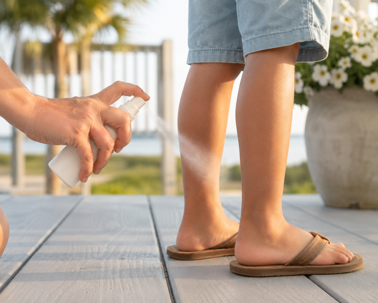
The problem is that bug spray only protects the person wearing it. It does not reduce the number of mosquitoes in your yard. It does not treat the shrubs where mosquitoes rest. It does not help guests who forgot to apply it. It does not protect the dog, the patio, the pool area, or the backyard itself.
For many Charleston homeowners, that matters.
Between the humidity, shaded landscaping, marsh influence, afternoon storms, tidal areas, and long outdoor season, mosquitoes can be a constant problem around porches, patios, yards, and pool decks. If you are relying only on personal bug spray, you may be treating the symptom instead of the source.
Bug Spray Protects People. Mosquito Treatments Protect Outdoor Spaces.
Personal repellents are designed to keep mosquitoes from biting your skin for a period of time. That can be helpful, especially when used correctly.
But repellents do not control mosquitoes where they live, rest, and gather.
Professional mosquito treatments are designed to target the areas where mosquitoes are most likely to rest. That includes shrubs, hedges, ivy, tree lines, fence lines, tall grass, under decks, around porches, and near thick landscaping. When the sun starts to drop and people head outside, those mosquitoes become active. Instead of asking every person in the backyard to cover themselves in spray before sitting down, a treatment helps reduce the mosquito pressure around the spaces people actually use.
Bug spray is personal protection.
Mosquito treatment is yard protection.
Tiny distinction. Large difference.
Why Charleston Mosquitoes Are Hard to Handle With Spray Alone
Charleston is not exactly mosquito-neutral territory.
Warm weather, humidity, shaded yards, marshes, creeks, drainage areas, dense landscaping, and frequent summer rain all give mosquitoes plenty of opportunities to breed, rest, and return. Even if your own yard is clean and well-maintained, mosquitoes can move in from nearby properties, wooded areas, tidal zones, ditches, or natural water sources.
That is where bug spray falls short.
If mosquitoes are resting in the shrubs around your patio, personal repellent may stop some bites for a while, but the mosquitoes are still there. If you sweat, swim, miss a spot, forget to reapply, or have guests who do not use repellent, the bites can come right back.
And anyone who has tried to get kids ready for a backyard cookout knows that applying bug spray to every ankle, elbow, and exposed patch of skin can feel like negotiating a hostage release with sunscreen involved.
A yard treatment gives you a better foundation because it helps reduce the mosquito population around the areas where people gather.
DEET Still Has a Place
DEET is one of the most common active ingredients in mosquito repellents, and it has been used for decades. The EPA describes DEET as an active ingredient in many repellent products used to repel biting pests such as mosquitoes and ticks.
Used according to the label, DEET can be a smart choice for personal protection.
The issue is not whether DEET works. It does.
The issue is what DEET is designed to do.
DEET does not kill or reduce mosquitoes in your yard. It does not treat shaded landscaping. It does not stop mosquitoes from breeding nearby. It does not protect outdoor living spaces after it wears off.
That means DEET is useful as one layer of protection, but it should not be the only plan for a Charleston backyard that gets heavy mosquito activity.
What About All-Natural Mosquito Sprays?
A lot of homeowners try all-natural mosquito products first. That is understandable. Nobody wants to feel like they need a chemistry degree just to sit on the porch.
Some plant-derived repellents can work. The EPA lists oil of lemon eucalyptus, PMD, 2-undecanone, citronella oil, and catnip oil among skin-applied repellent ingredients found in EPA-registered products.
But “natural” does not automatically mean stronger, safer, or longer-lasting.
That word gets used very generously in marketing, right up there with “artisan” and “farmhouse.” A natural repellent may still need to be EPA-registered, applied correctly, and reapplied as directed. Homemade mixtures can be inconsistent, wash off quickly, irritate skin, damage plants, bother pets, or simply fail to do much against mosquitoes resting around the yard.
Essential oils may smell nice, but smell is not a mosquito control strategy. If it were, every citronella candle on the planet would have already saved summer.
Natural sprays can be part of a personal repellent routine, but they are not a replacement for treating mosquito resting areas around a Charleston property.
Why Yard Treatments Can Be More Effective
Professional mosquito treatments are more effective for yard comfort because they address the places mosquitoes actually use.
Mosquitoes are not just hovering around waiting for someone to walk outside. During the day, many adult mosquitoes rest in cool, shaded, humid areas. Around Charleston homes, that often means:
- Shrubs
- Hedges
- Tree lines
- Fence lines
- Tall grass
- Ivy and ground cover
- Under decks
- Around porches
- Near pool equipment
- Along shaded foundations
- Around outdoor kitchens and patios
A professional treatment targets these mosquito resting zones. That helps reduce adult mosquitoes around the property instead of only trying to stop bites after mosquitoes are already flying toward people.
This is especially important in Charleston because mosquito pressure often comes from multiple sources. You may be doing everything right in your own yard, but nearby marshes, ditches, stormwater areas, or neighboring properties can keep adding mosquitoes back into the environment.
A consistent treatment schedule helps keep that pressure lower over time.
Are Mosquito Treatments Safe?
When mosquito control products are applied by trained professionals according to label directions, they are designed to be used safely around homes and outdoor spaces.
The CDC notes that adulticides, which are products used to kill adult mosquitoes, may be applied by licensed pest control professionals and do not harm people, pets, or the environment when used according to product label instructions.
That last part matters: according to the label.
Professional application is different from randomly spraying products around the yard and hoping for the best. A trained technician knows where mosquitoes rest, where product should be applied, and what precautions are needed around people, pets, plants, water features, and sensitive areas.
At Torpedo Mosquito, mosquito treatments are designed to reduce mosquito activity while keeping safety and responsible application in mind.
What About Dogs, Cats, and Other Animals?
This is one of the biggest questions homeowners have, and it is a fair one.
Most families are not just thinking about themselves. They are thinking about dogs, cats, chickens, fish ponds, kids’ toys, water bowls, and the backyard chaos that somehow counts as normal domestic life.
For dogs and cats, the usual recommendation is simple: keep pets inside during treatment and wait until treated areas are dry before letting them back outside. Once the treatment has dried and label directions have been followed, treated areas can be used again.
Before a mosquito treatment, it is also smart to:
- Bring pet bowls inside
- Move pet toys out of treatment areas
- Cover or remove pet bedding
- Let the technician know about outdoor kennels or animal areas
- Point out fish ponds, koi ponds, fountains, birdbaths, chicken coops, or bee hives
- Ask about any special precautions for sensitive animals
Fish, bees, chickens, and other backyard animals may require extra care, so they should always be mentioned before service. A good mosquito control company wants to know what is on the property so the technician can treat responsibly.
It is also worth noting that “natural” does not automatically mean pet-safe. Some essential oils can irritate or harm pets depending on the oil, concentration, and exposure. Cats, in particular, can be sensitive to certain oils and chemicals.
So if the goal is protecting animals, the safest path is not guessing with homemade mixtures. It is using products properly, following directions, and working with professionals who understand how to treat around real homes with real pets.
Why Professional Mosquito Control Is More Convenient
Bug spray requires effort every single time you go outside.
You have to find it. Apply it. Reapply it. Avoid eyes. Avoid hands. Avoid inhaling it. Avoid missing ankles. Avoid getting it on certain fabrics. Convince children to stand still for longer than six seconds. Then do it again later.
Professional mosquito control reduces that daily hassle.
It does not mean you will never use repellent again. If you are going into a heavily wooded area, traveling, hiking, fishing, or spending time away from treated spaces, personal repellent may still be useful.
But for your own yard, the goal is to make the outdoor space more comfortable before everyone is already being bitten.
That is the difference between reacting to mosquitoes and managing them.
The Best Mosquito Plan for Charleston Homes
For Charleston homeowners, the best mosquito plan usually includes more than one step.
- Remove standing water when possible.
- Keep gutters clear.
- Trim dense landscaping.
- Use fans around patios or porches.
- Apply personal repellent when needed.
- Schedule professional mosquito treatments to reduce mosquito pressure around the yard.
No single method is perfect by itself. But professional mosquito control gives homeowners a stronger foundation because it targets the mosquitoes where they rest, not just after they start biting.
Bug spray can help protect you.
Mosquito treatments help protect the spaces where you live.
Take Back Your Yard From Charleston Mosquitoes
Bug spray is useful, but it is not a yard control plan.
If mosquitoes are making your Charleston patio, porch, pool deck, or backyard hard to enjoy, it may be time to stop relying only on personal repellents and start treating the areas where mosquitoes are resting.
At Torpedo Mosquito, we help Charleston-area homeowners reduce mosquito activity around the outdoor spaces they use most. Our treatments are designed to target mosquito resting areas, reduce pressure around the yard, and make your time outside more comfortable.
Because your backyard should not require every guest to arrive coated in DEET like they are entering a swamp-themed obstacle course.
Schedule a mosquito treatment with Torpedo Mosquito and enjoy your Charleston yard with fewer bites.
FAQ
Is DEET safe to use?
EPA-registered repellents that contain DEET are considered safe and effective when used according to the product label. DEET can be useful for personal bite protection, especially when you are away from treated outdoor spaces.
Is mosquito treatment better than bug spray?
Mosquito treatment and bug spray do different things. Bug spray protects the person wearing it for a limited time. Mosquito treatment helps reduce mosquito activity around the yard by targeting areas where mosquitoes rest.
Do natural mosquito sprays work?
Some EPA-registered plant-derived repellents can help protect against bites, but homemade or unregistered natural mixtures can be inconsistent. Natural does not always mean safer or more effective.
Is mosquito treatment safe for pets?
When applied according to label directions, mosquito control products are designed to be used safely around homes. Pets should usually stay inside during treatment and remain off treated areas until everything is dry.
What should I do with pet bowls and toys before mosquito service?
Bring pet bowls, toys, bedding, and other animal items inside or move them away from treatment areas before service.
What if I have fish, chickens, bees, or other animals?
Tell your mosquito control technician before treatment. Fish ponds, koi ponds, chicken coops, bee hives, and sensitive animal areas may need special precautions.
Why do mosquitoes keep coming back in Charleston?
Charleston has heat, humidity, marshes, drainage areas, shaded landscaping, and frequent summer rain. Mosquitoes can come from nearby properties or natural areas, then rest in shaded spots around your yard.
Will I still need bug spray after mosquito treatment?
Sometimes, yes. Personal repellent may still be useful when hiking, fishing, traveling, or spending time away from treated spaces. But professional treatments can make your own yard much more comfortable.