
Waterfront Homes in Tampa Have a Hidden Mosquito Problem
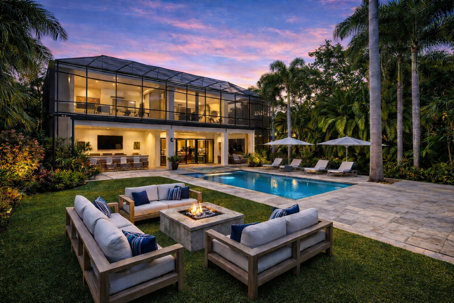
Living on the water is one of the biggest draws of owning a home in Tampa. Waterfront properties offer beautiful views, cooling breezes, and outdoor spaces designed for entertaining. Many homeowners invest heavily in patios, pools, outdoor kitchens, and landscaping to take full advantage of the Florida lifestyle.
Neighborhoods like Davis Island, Harbor Island, South Tampa, and Apollo Beach are especially known for their beautiful waterfront properties. Unfortunately, homes located near Tampa Bay, canals, or marsh areas in these communities often experience heavier mosquito activity than properties located further inland.
The combination of warm temperatures, high humidity, and nearby water sources creates ideal breeding conditions for mosquitoes throughout the Tampa Bay area. Understanding why waterfront properties attract mosquitoes can help homeowners prevent the problem before it interferes with outdoor living.
Why Waterfront Homes in Tampa Attract More Mosquitoes
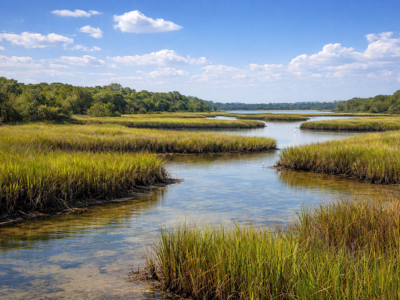
Mosquitoes only need a small amount of standing water to reproduce, and coastal areas around Tampa provide plenty of it. Retention ponds, mangrove edges, marshes, canals, and drainage areas all act as natural breeding grounds.
Many waterfront neighborhoods across Harbor Island, South Tampa, and Apollo Beach sit near tidal marsh environments connected to Tampa Bay. These ecosystems support mosquito species that thrive in coastal conditions.
A female mosquito can lay between 100 and 300 eggs at a time. In warm Florida conditions, those eggs can hatch in as little as 24 to 48 hours, and the mosquito can develop into an adult in about a week.
This rapid breeding cycle is one reason mosquito populations grow quickly in Florida’s climate.
Mosquito Life Cycle In Florida
Some mosquito species common in coastal Florida, such as the saltmarsh mosquito (Aedes taeniorhynchus), can travel several miles from breeding sites. That means even well-maintained waterfront homes in neighborhoods like Harbour Island may still experience mosquito activity coming from nearby marsh habitats.
The Coastal Breeze Myth
Many waterfront homeowners assume the breeze coming off Tampa Bay will keep mosquitoes away. While wind can reduce mosquito activity temporarily, it rarely eliminates the problem.
Mosquitoes typically stay close to the ground where landscaping, fences, and structures block the wind. Dense vegetation around waterfront homes also creates shaded resting areas where mosquitoes hide during the heat of the day.
This is especially common in lush coastal landscaping found throughout South Tampa, Davis Island, and the waterfront of areas of Apollo Beach where tropical plants and palm trees provide ideal mosquito shelter.
As evening approaches and winds calm down, mosquitoes become more active and begin searching for hosts.
This is why many Tampa homeowners notice the worst mosquito activity right around sunset when temperatures drop and outdoor gatherings begin.
Landscaping Around Waterfront Homes Can Increase Mosquito Activity
High-end landscaping can unintentionally create the perfect environment for mosquitoes.
Waterfront homes in Harbour Island, South Tampa, and the west shore area often feature tropical landscaping designed to create privacy and enhance outdoor living spaces. While beautiful, these environments can trap humidity and provide shaded areas where mosquitoes rest during the daytime.
Common landscaping features that attract mosquitoes include:
• Thick hedges and dense shrubs that trap humidity
• Palm trees and ornamental grasses that create shaded shelter
• Irrigation systems that keep soil consistently damp
• Decorative water features like fountains or ponds
• Drainage areas where rainwater collects after storms
When these landscaping features combine with nearby waterfront breeding areas, mosquito populations can grow quickly around the property.
Mosquito Activity Starts Earlier Than Many Tampa Homeowners Expect
In northern states, mosquito season usually begins in late spring. Tampa’s subtropical climate allows mosquito activity to begin much earlier.
Mosquito populations can start increasing as early as February or March once temperatures consistently remain above 60 degrees. Spring rainstorms provide fresh standing water that allows mosquito larvae to develop rapidly.
By April and May, mosquito populations around Tampa Bay are often already building, particularly in waterfront neighborhoods like Davis Islands, Apollo Beach, and parts of South Tampa.
Many homeowners only begin searching for solutions once mosquito activity becomes severe in early summer. By that time, several breeding cycles may have already occurred.
Early treatment can help interrupt these breeding cycles before populations grow.
Outdoor Living Areas Are Often the First Spaces Affected
Waterfront homes in Tampa are designed around outdoor living. Patios, lanais, pools, and outdoor kitchens are often used year-round for relaxing and entertaining.
This is especially true in upscale waterfront communities like Harbour Island and Davis Islands, where outdoor entertaining spaces are a central part of the home design.
Mosquitoes are strongly attracted to carbon dioxide, body heat, and movement. When people gather outside in the evening, mosquitoes quickly locate those areas and begin feeding.
This is why patios, pool decks, and outdoor seating areas often become the most noticeable mosquito hotspots.
Even screened lanais and pool enclosures can still experience mosquito activity if insects enter when doors open or if small gaps exist in the screen.
Hidden Breeding Areas Around Waterfront Properties
While nearby marshes and waterways play a major role in mosquito populations, many homes also have unnoticed breeding areas on the property itself.
Some of the most common hidden sources include:
• Clogged gutters that collect rainwater
• Plant saucers under potted plants
• Drainage trays beneath air conditioning units
• Pool equipment pads that collect water
• Boat covers or tarps that trap rainwater
• Low areas in patios or landscaping where water collects
These issues can appear even in well-maintained waterfront homes across neighborhoods like Westshore, South Tampa, and Apollo Beach.
Because mosquitoes require very little water to reproduce, even small pockets of standing water can produce large numbers of larvae.
Common Mosquito Breeding Sites Around Homes
Preventing Mosquito Problems Before Peak Season
The most effective mosquito control strategies focus on prevention before populations reach their peak.
Once large numbers of adult mosquitoes are present, they become much more difficult to manage. Early spring treatments can significantly reduce mosquito populations before the busiest outdoor months arrive.
Professional mosquito control programs typically focus on treating vegetation where mosquitoes rest and targeting areas where they are most likely to reproduce.
Professional Mosquito Control Program
Reducing standing water around the property and maintaining landscaping can also help limit mosquito activity.
Enjoying Tampa’s Waterfront Without the Mosquitoes
Waterfront living is one of the most appealing aspects of owning a home in Tampa. From sunset views over Tampa Bay to relaxing poolside evenings, outdoor spaces are meant to be enjoyed.
However, the same coastal environment that makes neighborhoods like Davis Islands, Harbour Island, South Tampa, and Apollo Beach so desirable also creates ideal conditions for mosquitoes.
With the right preventative approach, homeowners can significantly reduce mosquito activity and fully enjoy their outdoor spaces throughout Tampa’s long warm season.