
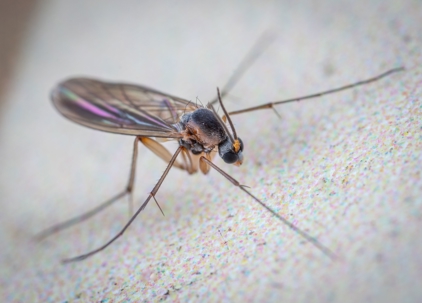
Tiny Flying Bugs on St. Simons Island: How to Tell Gnats, No-See-Ums, Midges and Mosquitoes Apart
If you have spent much time outdoors on St. Simons Island, you have probably noticed that not every tiny flying insect is a mosquito. Some bite, some do not, and while many people refer to all of them as “gnats,” several different insects may be responsible for those frustrating swarms around your yard.
Knowing which insect you are dealing with is the first step toward finding an effective solution. Each type breeds in different environments, develops at a different rate and may require a different treatment strategy.
Whether you are relaxing on your porch, spending time near the marsh or enjoying your backyard with family and friends, here is how to identify some of the most common tiny flying insects found on St. Simons Island.
Why Are There So Many Tiny Flying Bugs on St. Simons Island?
St. Simons Island provides nearly perfect conditions for several types of small flying insects throughout much of the year. Warm coastal temperatures, high humidity, frequent rainfall and extensive marsh habitat all support insect activity.
Dense live oak canopies and shaded landscaping can hold moisture near the ground, while tidal marshes, ponds, drains, damp soil and decaying plant material provide places for different insects to reproduce.
These conditions are also why mosquitoes can remain so persistent around St. Simons Island homes, even when homeowners are careful about removing standing water from their own yards.
Mosquitoes
Mosquitoes are usually the easiest insects in this guide to recognize. Female mosquitoes bite people and animals because they need a blood meal to develop their eggs. Male mosquitoes do not bite and instead feed primarily on plant nectar.
How to Identify Mosquitoes
Mosquitoes generally have:
Long legs
A narrow, segmented body
A visible needle-like mouthpart
One pair of wings
A more deliberate flying pattern than many gnats
Where Mosquitoes Breed
Mosquitoes develop in standing water. Common breeding areas around coastal homes include:
Birdbaths
Buckets and outdoor toys
Plant saucers
Clogged gutters
Tree holes
Boat covers and tarps
Decorative containers
Low areas that retain water
Even a very small amount of water can support mosquito development. Our guide to common mosquito and gnat breeding spots around a property explains where homeowners should check after rainfall.
Average Mosquito Breeding Cycle
Under warm conditions, mosquitoes can often progress from egg to adult in approximately 7 to 14 days. Temperature, species, water quality and access to food can all affect the exact timing.
Their development includes four stages:
Egg
Larva
Pupa
Adult
The egg, larval and pupal stages are associated with water. Once the adult emerges, it leaves the water and begins flying.
Why the Breeding Cycle Matters
A new generation can emerge shortly after rainfall creates or refills breeding sites. This is one reason mosquito populations sometimes seem to increase overnight and why a single treatment rarely provides lasting control throughout the season.
Regularly removing standing water and treating the places where adult mosquitoes rest can help interrupt this cycle. Coastal mosquitoes may also travel onto a property from outside breeding areas, as discussed in our article about why mosquitoes around Brunswick can travel miles from surrounding marshes.
No-See-Ums, Also Called Biting Midges
No-see-ums are tiny biting flies commonly found around salt marshes, tidal creeks and other moist coastal environments. Their small size makes them difficult to see, but their bites can be surprisingly noticeable.
How to Identify No-See-Ums
No-see-ums are typically:
About 1 to 3 millimeters long
Much smaller than mosquitoes
Difficult to see individually
Most noticeable when they bite
Able to pass through many standard window screens
They are frequently active around dawn and dusk, especially when the weather is warm, humid and relatively calm.
Where No-See-Ums Breed
Depending on the species, biting midges may develop in:
Salt marsh mud
Damp sand or soil
Tidal areas
Marsh edges
Wet decaying vegetation
Moist organic material
Unlike container-breeding mosquitoes, the source may be an extensive natural habitat outside the homeowner’s property.
Average No-See-Um Breeding Cycle
The complete life cycle generally takes approximately 2 to 6 weeks, although development can be faster or slower depending on the species, moisture and temperature.
The basic stages are:
Egg
Larva
Pupa
Adult
The immature stages develop in wet or damp habitat rather than flying around the yard.
Why the Breeding Cycle Matters
No-see-ums can continually emerge from marshes and other moist environments surrounding the island. That makes complete elimination unrealistic, particularly for homes close to marsh habitat.
Treatments and property modifications can help reduce activity around outdoor living spaces, but new insects may continue arriving from outside the treatment area. You can learn more about this seasonal pressure in our guide to mosquito and no-see-um activity on Saint Simons Island.
Fungus Gnats
Fungus gnats are small, dark flies that are often seen hovering over damp soil, mulch, potted plants or landscape beds. They may resemble miniature mosquitoes, but common fungus gnats do not bite people or pets.
How to Identify Fungus Gnats
Fungus gnats are usually:
Small and dark-colored
Slender with relatively long legs
Weak flyers
Found close to soil, mulch or plants
Seen hovering rather than traveling long distances
Outdoors, they are commonly associated with damp landscape beds. Indoors, they often appear around overwatered houseplants.
Where Fungus Gnats Breed
Fungus gnats develop in moist material containing fungi and decaying organic matter, including:
Damp soil
Old mulch
Potting mix
Compost
Leaf litter
Decomposing plant material
Consistently wet landscape beds
Average Fungus Gnat Breeding Cycle
Fungus gnats commonly complete their life cycle in approximately 3 to 4 weeks, although warm and consistently damp conditions may speed up development.
Their life stages include:
Egg
Larva
Pupa
Adult
Most of the life cycle occurs in the soil. The adults people notice flying above the ground represent only one stage of the infestation.
Why the Breeding Cycle Matters
Treating only the visible adults may provide temporary relief, but it does not necessarily reach the eggs and larvae developing beneath the surface. New adults can continue emerging as long as the soil remains moist and rich in decaying organic material.
Our article explaining why gnats can suddenly appear in large numbers takes a closer look at how moisture and temperature can trigger a noticeable population increase.
Non-Biting Midges
Non-biting midges are often confused with mosquitoes because they have slender bodies, long legs and a similar overall appearance. Despite the resemblance, they do not bite people.
How to Identify Non-Biting Midges
Non-biting midges are often:
Seen in large groups or swarms
Active near water
Attracted to exterior lights
Most noticeable in the evening
Similar in appearance to mosquitoes but without a biting mouthpart
Some species form visible clouds above lawns, ponds or other landmarks used for mating.
Where Non-Biting Midges Breed
Their immature stages generally develop in aquatic or semiaquatic environments such as:
Ponds
Lakes
Retention ponds
Marshes
Drainage areas
Slow-moving water
Sediment containing decaying organic matter
Average Non-Biting Midge Breeding Cycle
A typical life cycle may take approximately 2 to 4 weeks, but timing varies considerably among species and environmental conditions.
Their stages include:
Egg
Aquatic larva
Pupa
Adult
Adults usually live for a relatively short time and primarily exist to reproduce.
Why the Breeding Cycle Matters
Many adults can emerge from a nearby body of water at roughly the same time. This synchronized emergence can make it seem as though thousands of insects suddenly appeared without warning.
Because the breeding source may be a pond, marsh or drainage area outside the property, treatment around an individual home may reduce resting adults without eliminating the original source.
Drain Flies
Drain flies are more commonly associated with plumbing, but they may also appear around outdoor drains, septic areas or other places where stagnant water and decomposing organic material collect.
How to Identify Drain Flies
Drain flies typically have:
Small, fuzzy or hairy bodies
Broad wings
A moth-like appearance
Weak, short flights
A habit of resting on walls or surfaces near the breeding source
Where Drain Flies Breed
Drain flies reproduce in the moist organic film that can build up in:
Sink and floor drains
Outdoor drains
Septic systems
Condensate lines
Sewage-contaminated water
Poorly draining areas containing organic debris
Average Drain Fly Breeding Cycle
Drain flies can often complete their life cycle in approximately 1 to 3 weeks, depending on temperature and the condition of the breeding material.
Their development includes:
Egg
Larva
Pupa
Adult
Why the Breeding Cycle Matters
Killing the adults does not remove the larvae developing in organic buildup. Lasting control usually depends on locating and physically cleaning or correcting the breeding source.
Tiny Flying Insects at a Glance
| Insect | Does It Bite? | Common Breeding Habitat | Approximate Life Cycle |
|---|---|---|---|
| Mosquito | Yes | Standing water | 7–14 days |
| No-see-um | Yes | Marsh mud, wet soil and tidal habitat | 2–6 weeks |
| Fungus gnat | No | Damp soil, mulch and decaying plant material | 3–4 weeks |
| Non-biting midge | No | Ponds, marshes and aquatic sediment | 2–4 weeks |
| Drain fly | No | Organic buildup in drains and wastewater areas | 1–3 weeks |
These are general ranges rather than fixed deadlines. Species, temperature, rainfall, moisture and available food can all influence how quickly an insect develops.
Why We May Need to Treat the Ground for Gnats
Not every flying insect responds to the same treatment because different insects spend their immature stages in very different places.
Adult mosquitoes often rest on the undersides of leaves, dense shrubs and other shaded vegetation during the day. A mosquito barrier treatment targets these resting areas and reduces the adult mosquitoes occupying the property.
Many insects commonly called gnats are more closely associated with the ground. Fungus gnat larvae, for example, develop in moist soil, mulch and organic material. Other small flies may also emerge from saturated lawns, decomposing vegetation or wet areas close to the soil surface.
When the breeding activity is occurring at ground level, treating only shrubs and upper foliage may not adequately address the source. A targeted lawn or ground treatment can help reach areas where larvae are developing or adults are emerging.
This is why identifying the insect matters. A treatment plan should be based on the pest’s behavior and breeding habitat rather than assuming every small flying insect is simply a smaller mosquito. Learn more about why gnats can be difficult to control.
Why Different Insects Require Different Treatment Plans
There is no single treatment that solves every tiny flying insect problem.
A mosquito-focused plan may involve reducing standing water and treating shaded vegetation where adults rest. Fungus gnat control may require addressing damp soil, overwatering, decomposing mulch and ground-level breeding areas. Drain flies require cleaning the organic material inside the affected drain. No-see-ums and non-biting midges may originate from natural habitats that cannot be removed from an individual property.
A professional inspection helps determine:
Which insect is present
Whether it bites
Where it is breeding
Whether the source is on or off the property
Which areas should be treated
What level of reduction is realistic
For homes experiencing both mosquitoes and gnats, Torpedo Mosquito & Gnat offers mosquito and gnat control services on St. Simons Island based on the property’s conditions and insect pressure.
Properties with especially persistent pressure may also benefit from learning about automated mosquito and gnat misting systems.
Tips for Reducing Tiny Flying Bugs Around Your Home
Homeowners can help make their properties less attractive to mosquitoes, gnats and other small flies by controlling moisture and organic buildup.
Helpful steps include:
Empty containers that collect rainwater.
Clean gutters and make sure downspouts drain properly.
Avoid overwatering lawns, potted plants and landscape beds.
Allow the upper layer of soil to dry when appropriate.
Repair leaking faucets and irrigation components.
Clear excessive leaf litter and decomposing vegetation.
Replace heavily decomposed or constantly saturated mulch.
Clean organic buildup from drains.
Improve airflow by thinning overly dense vegetation.
Correct low areas that remain wet after rain.
These changes may not stop insects arriving from the marsh or other nearby habitats, but they can reduce the number developing directly around the home.
Frequently Asked Questions
Are all tiny flying bugs on St. Simons Island mosquitoes?
No. Small flying insects on the island may include mosquitoes, no-see-ums, fungus gnats, non-biting midges, drain flies and other species. Their appearance, breeding habitats and behavior can overlap, which is why proper identification is important.
Are gnats and no-see-ums the same thing?
“No-see-um” generally refers to a biting midge. The word “gnat” is a broad informal term used for many different small flies. People may call no-see-ums gnats, but not every gnat is a biting midge.
Why are tiny bugs worse near the marsh?
Marshes provide moisture, mud, vegetation and decaying organic material needed by several coastal insect species. Mosquitoes and biting midges can emerge from these habitats and move into nearby neighborhoods.
Why do we treat the lawn or ground for gnats?
Many gnat larvae develop in damp soil, mulch and organic material near the ground. Treating only shrubs may affect some adults but fail to reach the areas where immature insects are developing.
Do mosquito treatments also help with gnats?
They may reduce some adult gnats that land on treated surfaces, but a standard mosquito treatment may not adequately target soil or ground-level breeding areas. A separate or expanded ground treatment may be needed, depending on the insect and the conditions on the property.
Why do small flying insects suddenly appear after rain?
Rain increases soil moisture, refills standing-water habitats and encourages organic material to remain damp. Warm weather following rainfall can then speed up insect development and trigger large numbers of adults to emerge within a relatively short period.
Can these insects be completely eliminated?
Complete elimination is rarely realistic on a barrier island surrounded by marshes, tidal waterways and other natural breeding habitat. A well-designed treatment plan can still provide a meaningful reduction and make patios, porches and yards considerably more comfortable.
Enjoy Your Yard Without the Constant Buzz
Tiny flying insects are a normal part of the coastal environment, but an overwhelming number of them does not have to be accepted as part of everyday life.
The most effective approach starts with identifying what is actually present. Mosquitoes, biting midges, fungus gnats, non-biting midges and drain flies may look similar from a distance, but they breed in different places and require different control strategies.
At Torpedo Mosquito & Gnat, we evaluate the conditions of each property and develop a comprehensive plan based on the insects, breeding areas and environmental pressure involved. That may include treating shaded mosquito resting areas, addressing ground-level gnat activity or recommending additional options for properties facing persistent coastal insect pressure.