
Why Mosquitoes Are So Persistent Around Homes on St. Simons Island
St. Simons Island is known for its coastal beauty. Marsh views, towering live oak trees, quiet golf communities, and wide porches make it one of the most desirable places to live on the Georgia coast.
Many homes on the island are designed around outdoor living. Evenings spent on the porch, backyard gatherings with friends, and sunset views over the marsh are part of what makes life on St. Simons special.
Unfortunately, the same coastal environment that makes the island so appealing also creates ideal conditions for mosquitoes.
Homes located near marsh areas, golf course ponds, or shaded coastal landscapes often experience higher mosquito activity throughout the warmer months. Understanding why mosquitoes thrive in these environments can help homeowners protect their outdoor spaces before mosquito populations peak.
Marshes Are One of the Biggest Mosquito Sources on St. Simons
Much of St. Simons Island is surrounded by tidal marsh. These wetlands are one of the defining features of the Georgia coast and play an important role in the local ecosystem.
They also happen to be one of the most productive mosquito breeding environments in coastal Georgia.
Tidal marshes fill and drain as water moves in and out with the tides. After rainfall or high tides, small pockets of water can remain trapped within marsh grass. These shallow pools create ideal breeding conditions for mosquitoes.
Certain coastal mosquito species are specifically adapted to salt marsh environments. Their eggs can remain dormant in marsh soil until flooding occurs, allowing large numbers of mosquitoes to hatch quickly after heavy rain or tidal changes.
Because of this cycle, mosquito populations on barrier islands like St. Simons can increase rapidly under the right conditions.
Learn More About The Mosquito Life Cycle
Coastal Mosquitoes Can Travel Far From the Marsh
One surprising thing about coastal mosquitoes is how far they can travel.
Some salt marsh mosquito species are capable of flying several miles from their breeding areas. This means homes that are not directly on the marsh can still experience mosquito pressure.
Neighborhoods throughout St. Simons Island, including areas near Frederica Road, East Beach, and Sea Island Road, often see mosquito activity that originates from nearby marsh habitats.
Even well-maintained properties with no standing water can experience mosquito problems if large breeding areas exist nearby.
Live Oak Trees and Shaded Yards Create Mosquito Shelter
One of the most recognizable features of St. Simons Island is its canopy of live oak trees. These trees provide shade, character, and the distinctive coastal landscape that defines much of the island.
However, shaded environments also create ideal resting areas for mosquitoes.
Mosquitoes avoid direct sunlight and prefer cool, humid environments where they can remain hidden during the daytime. Dense landscaping, shaded gardens, and areas beneath live oak trees often provide the perfect shelter.
This is especially common in neighborhoods with heavy tree cover, where thick vegetation helps maintain moisture close to the ground.
Spanish moss hanging from live oak branches can also trap humidity and limit air movement, which allows mosquitoes to remain active longer during the evening.
Golf Course Homes Often Experience Mosquito Pressure
Many homes on St. Simons Island are located near golf courses or water hazards.
Golf communities offer beautiful views and open landscapes, but the irrigation ponds and water features used to maintain the courses can also create mosquito habitat.
These ponds often contain shallow edges, vegetation, and calm water conditions that support mosquito breeding.
Homes located near fairways, water hazards, or drainage areas may notice increased mosquito activity, especially during warm and humid evenings.
Mosquito Activity Peaks Around Sunset on the Coast
Many homeowners notice mosquitoes becoming most active right around sunset.
This timing is not a coincidence.
As temperatures cool and humidity rises in the evening, mosquitoes begin actively searching for hosts. Carbon dioxide, body heat, and movement quickly attract mosquitoes to outdoor gathering areas.
Porches, patios, and backyard seating areas often become the most noticeable mosquito hotspots during this time.
This can make outdoor dining or relaxing on the porch less enjoyable, especially during the warmer months when mosquito populations are highest.
Protect Your Backyard From Mosquitoes
Small Breeding Areas Around Homes Can Make the Problem Worse
While marsh habitats and golf course ponds contribute to mosquito populations on St. Simons, smaller breeding areas around individual homes can also play a role.
Mosquitoes require very little standing water to reproduce.
Common hidden breeding spots around coastal homes include:
- Clogged gutters after heavy rain
- Plant containers and decorative pots
- Bird baths and garden features
- Boat covers or tarps that collect rainwater
- Low areas in landscaping where water collects
.2603091159004.png)
Even small water sources can produce large numbers of mosquitoes if left untreated.
Common Mosquito Breeding Sites Around Homes
Preventing Mosquito Problems Around St. Simons Homes
Because many mosquito breeding sites exist beyond the property itself, controlling mosquitoes on barrier islands requires a proactive approach.
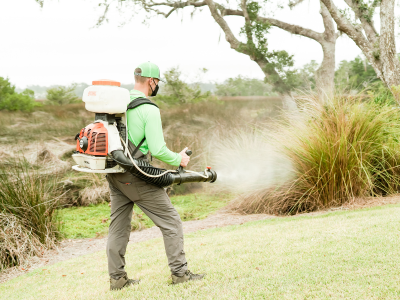
Treating shaded vegetation where mosquitoes rest and reducing breeding areas around the property can significantly reduce mosquito populations.
Professional mosquito control programs focus on targeting areas where mosquitoes hide during the day and interrupting breeding cycles before populations grow.
Professional Mosquito Control on St. Simons Island
Enjoying Outdoor Living on St. Simons Island
Outdoor living is a big part of life on St. Simons Island. Whether it is relaxing on a shaded porch, hosting friends in the backyard, or watching the sunset over the marsh, homeowners want to enjoy their outdoor spaces without constant mosquito interruptions.
While the island’s coastal environment naturally supports mosquito populations, the right preventative approach can significantly reduce mosquito activity.
With proper mosquito control, homeowners can continue enjoying the coastal lifestyle that makes St. Simons Island such a special place to live.