
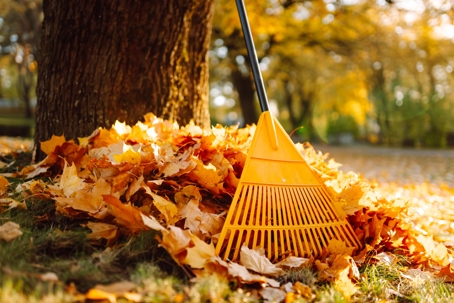
Fall Cleanup Can Remove Mosquito Habitats Homeowners Often Miss
Fall yard cleanup in Charleston is not only about appearance. Leaves and pine straw can cover containers, block gutters and slow drainage, allowing small pockets of water to remain after rain. When Lowcountry temperatures stay warm, those pockets can still support mosquito development.
Leaves themselves do not automatically breed mosquitoes. The problem begins when debris prevents water from draining or hides an item that holds water. A clean-looking lawn can still have productive habitat in a clogged downspout, folded furniture cover or storage bin behind a shed.
If mosquito activity is already affecting your yard, request a local inspection and quote.
Start Where Water and Debris Collect
Check roof gutters, catch basins, yard drains and corrugated downspout extensions first. Remove leaves from places you can safely reach and confirm that water exits rather than pooling in a low section. Inspect wheelbarrows, toys, buckets, tarps, grill covers and outdoor furniture before placing them into seasonal storage.
Mosquito larvae develop in water, not in dry leaf piles. However, a dense layer of wet organic material can hold moisture, conceal containers and reduce airflow near the ground. The useful goal is not to strip the yard bare; it is to prevent debris from creating or hiding stagnant water.
Cleanup Should Include the Edges of the Property
Items stored beneath decks, along fence lines and behind sheds are easy to overlook because they are outside the main lawn. These shaded areas also dry more slowly. Turn empty containers upside down, secure covers so they cannot sag and check unused planters before the next rain.
Homes near marshes and tidal waterways may still receive mosquitoes from outside the yard. Tides and surrounding marsh habitat can influence neighborhood pressure, but removing water on the property prevents the home from adding another local source.
Keep Useful Habitats Without Keeping Mosquito Habitats
Not every leaf needs to be removed from every planting bed. Leaf litter can support soil health and beneficial organisms when it remains in a place that drains properly. Focus cleanup on structures, drainage paths and artificial containers where water becomes trapped rather than treating every natural area as a pest problem.
Clemson Extension recommends source reduction as a foundation of mosquito management. If biting remains heavy after water and drainage issues are addressed, Charleston mosquito control can focus on adult resting areas around the property. Contact the local team for a property-specific recommendation.
Frequently Asked Questions
Do fallen leaves breed mosquitoes?
Dry leaves do not. Leaves can contribute when they clog drainage, hold moisture or hide containers where water stands.
Should I remove all leaf litter from my Charleston yard?
No. Prioritize gutters, drains, hard surfaces, storage areas and containers. Leaf litter in a well-drained natural bed is different from debris blocking water flow.
Why do I still have mosquitoes after cleaning the yard?
Adults may be resting in vegetation or arriving from nearby properties, drainage systems, wetlands or tidal habitat.
Research Sources
• Clemson Cooperative Extension, Mosquito Control In and Around the Home
• Clemson Cooperative Extension, Reducing Mosquito Breeding Sites